Does Invisalign Hurt? What Patients Should Know
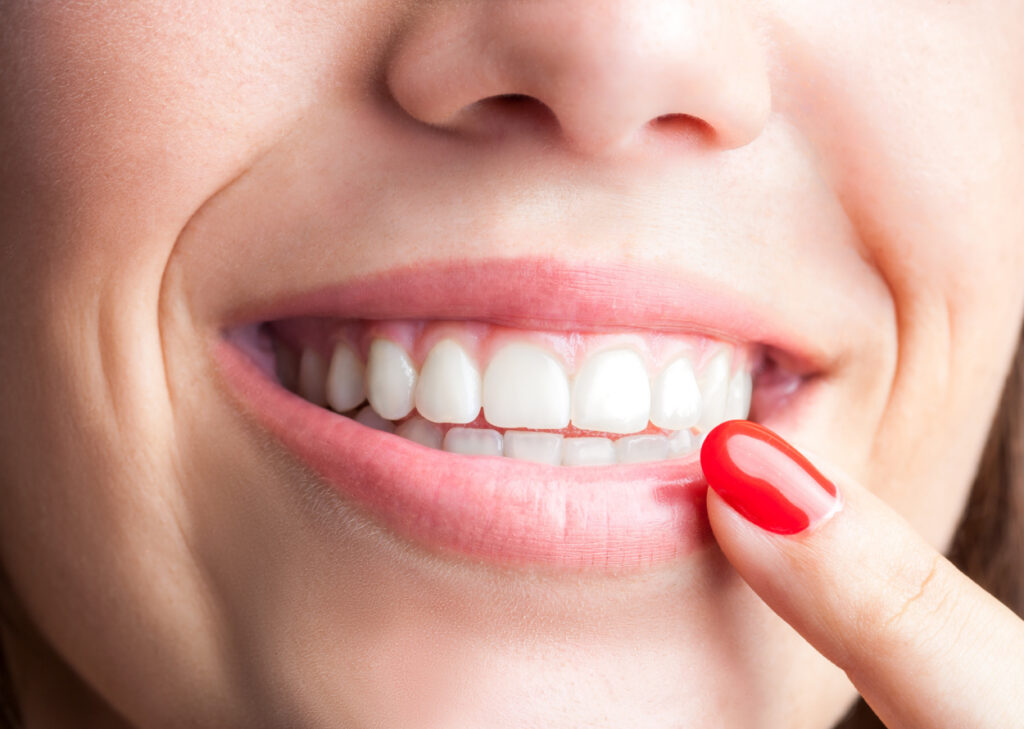

The short answer is yes, Invisalign can hurt, but usually not in the way people fear.
Most patients do not describe Invisalign as sharp, alarming, or intolerable pain. What they report far more often is pressure, soreness, and a tight feeling for the first day or two after starting treatment or switching to a new set of aligners. That distinction matters. Orthodontic treatment works by moving teeth through bone, and movement creates inflammation in the supporting tissues. Some discomfort is normal because it is a sign that the trays are doing their job.
What catches people off guard is not the intensity so much as the timing. You can put in a fresh set of aligners at night, feel almost nothing for an hour, and then wake up with your teeth feeling tender when you bite into breakfast. That pattern is common. The trays begin applying force immediately, but the soreness often builds gradually.
For anyone considering Invisalign, the better question is not “Does it hurt?” but “What kind of discomfort should I expect, how long will it last, and when is it no longer normal?” Those are the questions that make treatment easier to manage and less stressful.
What Invisalign discomfort usually feels like
In daily practice, patients tend to use the same handful of descriptions. They say their teeth feel “tight,” “bruised,” “sore when chewing,” or “sensitive when taking the trays off.” A new aligner can make the teeth feel as though they are being hugged firmly from all sides. That pressure is usually strongest in the first 24 to 48 hours.
The sensation is different from a toothache caused by decay or infection. A cavity-related toothache is often throbbing, unpredictable, or triggered by hot, cold, or sweets. Invisalign discomfort is usually broader and more mechanical. It often affects several teeth at once, especially the ones actively moving. It is also closely tied to tray changes. If a patient tells me, “Every time I switch trays, my front teeth ache for a day,” that fits the typical pattern. If they say, “One tooth is keeping me awake at night and hurts even without the tray in,” that deserves a closer look.
There is also the soft-tissue side of things. Some people do not mind the tooth pressure at all but find the edges of the trays irritating to the tongue, lips, or cheeks during the first week. That tenderness is usually mild and temporary, though occasionally a tray edge needs to be smoothed.
The key point is this: Invisalign discomfort is real, but it is usually manageable and temporary.
Why the trays can feel tight
Teeth are not fused rigidly to bone. Each tooth sits in a socket, supported by the periodontal ligament, a thin cushion of connective tissue. When an aligner presses on a tooth, one side of that ligament compresses and the other side stretches. The body responds by remodeling bone. That biologic process is what allows the tooth to move.
Because of that, a certain amount of soreness is expected. If the aligners did absolutely nothing, there would be no reason for the teeth to change position. The tightness you feel with a new tray often means the aligner is engaging the planned movement.
That said, more force does not mean better treatment. Invisalign is designed to move teeth gradually through a sequence of trays, not through brute force. When treatment is well planned, most patients can continue work, school, exercise, and normal routines with only minor adjustments.
One pattern I have seen repeatedly is that anxious patients often expect dramatic pain and are relieved to find that the experience is milder than braces. Then there is the opposite group, people who assume clear aligners will feel like nothing at all and are surprised by the pressure. Expectations shape the experience more than many realize.
When pain tends to happen
Discomfort with Invisalign is not constant throughout treatment. It usually shows up at predictable points.
The most common time is right after switching to a new aligner. Some trays feel almost identical to the last one, while others produce a noticeably stronger sensation. That variation depends on which teeth are moving, how much rotation or tipping is planned, whether attachments are involved, and how closely the previous tray was worn.
Another common moment is removing the trays for meals during the first day or two of a new stage. Teeth can feel tender when you pull the aligners off, and then sensitive again when you bite into something firm. Patients who switch to a new tray before bed often do better because they sleep through the first several hours of pressure.
Certain movements tend to be more noticeable than others. Front teeth, especially lower incisors, can be surprisingly sensitive because their roots are relatively small and the area is crowded in many mouths. Rotating rounded teeth like canines or premolars can also create more awareness. Intrusion, where a tooth is pushed slightly upward into the bone, may feel odd in a way that is hard to describe but tends to be short-lived.
People who clench or grind their teeth sometimes report more soreness because their muscles are already overworking and the aligners give them something to bite on. On the other hand, some patients find that wearing aligners actually reduces their awareness of clenching by acting as a physical reminder.
How much pain is normal?
Pain tolerance varies, so there is no single number that applies to everyone. Still, most Invisalign discomfort falls into the mild to moderate range. Patients can usually speak normally, go about their day, and sleep. They may choose softer foods for a day or two, but they are not generally sidelined.
A practical way to think about it is function. Normal soreness may make you avoid crusty bread or hard nuts for a day. It should not prevent you from drinking water, wearing the trays, or getting through a normal workday. If discomfort is so strong that you cannot keep the aligners in, something may be off.
Duration matters too. Typical soreness peaks early and then fades. If a new tray still feels sharply painful after several days, or if one area gets worse rather than better, that is worth checking. Aligners are meant to fit snugly. They are not meant to gouge tissue or create severe one-tooth pain.
Invisalign versus braces
A lot of patients ask whether Invisalign hurts less than braces. In many cases, yes, but the comparison depends on what kind of discomfort you are talking about.
Traditional braces create pressure after adjustments, much like aligners do. They also add another layer of irritation from brackets and wires rubbing the lips and cheeks. A poking wire can make even a small ulcer feel enormous. Invisalign avoids most of that because the trays are smooth and removable.
On the other hand, Invisalign asks more of the patient. You remove the trays to eat, clean them, and put them back in. That means the teeth may briefly “rebel” each time the trays come out during a tender phase. With braces, the appliance stays put. There is no repeated removal.
For many adults, Invisalign feels more comfortable overall because it is less abrasive to the inside of the mouth and does not come with emergency visits for broken wires. Still, comfort is not universal. Someone with a strong gag reflex, a habit of clenching, or very sensitive teeth may find certain stages irritating.
The first week is usually the most awkward
The beginning of treatment has a learning curve. The trays feel foreign, speech can be slightly off for a few days, saliva often increases at first, and patients become intensely aware of their teeth in a way they have never been before. None of that means something is wrong. It means your mouth is adapting.
During the first week, even people with high pain tolerance sometimes fixate on every small sensation. A slight rough edge feels enormous because it is new. The pressure on a lateral incisor seems dramatic because there is no baseline for comparison. By week two or three, most patients settle into a rhythm. They know what a fresh tray feels like, how to remove it properly, and which foods are easiest on sore days.
I often tell patients that the first few trays teach you how treatment feels. Later trays become part of routine. You may still get an occasional “wow, this one is tight” moment, but it rarely feels mysterious after that.
What can make Invisalign hurt more than expected
When discomfort goes beyond the usual first-day pressure, there is often a specific reason. Sometimes it is simple, sometimes it needs attention.
Here are the most common culprits:
- Switching trays too early, before the previous aligner has fully seated the teeth.
- Not wearing trays enough hours each day, then forcing them back on after long breaks.
- A tray edge that is rough, warped, or trimmed in a way that rubs the gums.
- Attachments that create temporary irritation on the cheeks or lips.
- An underlying dental problem, such as decay, gum inflammation, or a cracked tooth.
The second point causes more trouble than patients expect. Invisalign works best with steady wear, usually around 20 to 22 hours a day depending on the plan. If trays are left out too long, the teeth begin to rebound. Pushing the aligners back on after that can feel far more intense than normal. Some patients describe it as starting over every evening. That is not a flaw in the system, it is a wear-time issue.
Oral hygiene also matters. A mouth with inflamed gums is a sore mouth to begin with. Add orthodontic pressure and everything feels amplified. Patients who brush thoroughly, floss, and keep the trays clean often have a noticeably easier experience.
Eating can be the most noticeable part
Many people do not notice the trays much while they are sitting still. They notice them when they eat.
On the first day of a new aligner, biting into a crisp apple or crusty sandwich can make several teeth feel tender at once. That sensation comes from pressure on the periodontal ligament. It is usually worst when the teeth first meet resistance. Once chewing starts, the discomfort often settles into the background.
A simple adjustment helps: choose softer foods for the first 24 hours of a new tray. Eggs, yogurt, rice, pasta, soup, fish, cooked vegetables, oatmeal, smoothies, and softer fruits are easier than bagels, steak, raw carrots, or hard granola. This is not because you are damaging the teeth by chewing harder foods. It is because sore teeth make hard chewing unpleasant.
There is a small but useful scheduling trick here. If you know your trays tend to feel tight, change to the next aligner at night and avoid planning your favorite crunchy lunch for the next day. Patients who do this consistently often feel much more in control of treatment.
What actually helps
Most Invisalign discomfort resolves on its own, but there are practical ways to reduce it without making treatment less effective.
The first is consistency. Wear the trays as directed. Counterintuitively, people who take the aligners out repeatedly because they are sore often prolong the soreness. Teeth begin to rebound, and then the trays feel tight all over again when reinserted.
The second is timing. A nighttime tray change gives you several uninterrupted hours to adapt before the next meal. That alone can make a tray feel easier.
The third is using sensible pain relief when needed. Many patients do well with common over-the-counter pain medication if their physician says it is safe for them. Cold water can be soothing. Some people like to gently seat the trays with chewies, though that should not be forced aggressively.
The fourth is soft food strategy. You do not need a special diet, just a flexible one on sore days.
The fifth is communication. If one spot is rubbing, or one tooth feels very different from the others, contact the dental office rather than guessing.
When discomfort is not normal
Most soreness with Invisalign is benign. Some situations should prompt a call to your dentist or orthodontist.
Use this checklist if you are unsure:
- Pain is severe, sharp, or worsening after several days instead of improving.
- One tooth hurts much more than the others, especially if it is sensitive without the tray in.
- The tray cuts the gum, causes bleeding, or will not seat properly.
- An attachment comes off and the tray no longer fits as expected.
- You develop signs of a dental problem, such as swelling, fever, or pain with hot and cold.
Those symptoms do not always signal a serious problem, but they do fall outside the usual pattern of “new tray pressure.” Sometimes the fix is simple, such as smoothing a tray edge or extending the wear time on the current aligner. Other times the issue is unrelated to Invisalign and needs separate treatment.
One memorable pattern in practice is the patient who assumes all pain during aligner treatment must be from tooth movement. Occasionally that is true. Occasionally it is a hidden cavity, a cracked filling, or gum inflammation around a tooth that would have become symptomatic anyway. Aligners can make people more aware of their teeth, which means unrelated problems may come to attention during treatment.
Attachments, buttons, and elastics can change the experience
Not all Invisalign cases are equally comfortable because not all cases use the same mechanics.
Attachments, the tooth-colored bumps bonded to certain teeth, help the trays grip and direct movement. They are extremely useful, but they can make insertion and removal feel tighter, especially early on. The attachments themselves may rub the inside of the lips or cheeks for a few days until the tissue adapts.
Buttons and elastics, used in some cases to correct bite relationships, add another layer of awareness. The force from elastics can produce extra soreness in selected teeth or in the jaw muscles. That does not mean anything is wrong, but patients should know it is possible.
Refinements can also surprise people. After the initial series of trays, some patients need additional aligners to fine-tune the result. Refinement trays can feel just like the first set all over again if they introduce new movements.
Does Invisalign cause headaches or jaw pain?
It can, though usually mildly and temporarily.
A small number of patients notice tension headaches or https://elliottwtkj070.tearosediner.net/what-is-invisalign-and-how-does-it-work jaw fatigue when they begin treatment or switch to a tray that changes the bite contact. This tends to happen more in people who clench, grind, or already have temporomandibular joint sensitivity. The trays slightly alter the way the teeth meet, and the muscles may take time to adjust.
Most of the time, this settles down as the bite changes and the muscles adapt. If headaches are frequent, severe, or paired with locking, clicking, or significant jaw pain, it is worth discussing with the treating doctor. Those symptoms may relate to clenching habits, joint issues, or the need for an adjustment in the treatment plan.
Adults and teens often describe pain differently
Adults tend to be more focused on function. They ask whether they will be able to give presentations, eat at business lunches, or sleep well before an early meeting. Teens are often more concerned with the immediate experience, whether the trays feel weird, whether friends will notice, and how much the first few days will bother them at school.
Pain thresholds vary by person, not by age alone, but adults sometimes report more sensitivity because they are paying closer attention and may have prior dental work, gum recession, or mild wear from grinding. Teens, meanwhile, may adapt quickly but struggle more with consistent wear, which can make the trays feel tighter when they do put them in.
That difference is important. A disciplined adult who wears trays 22 hours a day may have less overall discomfort than a teen who leaves them out through snacks, sports, and long afternoons.
Managing expectations makes treatment easier
The patients who handle Invisalign best are not always the ones with the highest pain tolerance. They are usually the ones with the clearest expectations.
If you expect zero sensation because the trays are removable and nearly invisible, even mild pressure can feel disappointing. If you understand that each new aligner may bring one or two tender days, the same sensation feels normal and temporary. That mindset changes behavior. People wear the trays consistently, choose softer foods when needed, and avoid unnecessary panic.
There is a practical emotional side to this too. Orthodontic discomfort has a purpose. Random dental pain feels threatening. Planned, time-limited soreness after a tray change feels different because it has context. Knowing that can make the whole process feel much more manageable.
A realistic bottom line
Invisalign is not pain-free, but for most patients it is very tolerable. Expect pressure, tightness, and some tenderness, especially with new trays and during the first week or two of treatment. Expect eating to feel different on sore days. Expect occasional variations, because some aligners move teeth more noticeably than others.
What you should not expect is severe, escalating, or unexplained pain. That is where professional guidance matters. A well-fitting tray, a realistic wear schedule, and prompt attention to anything unusual make a major difference.
If you are considering Invisalign and pain is your main concern, the most honest answer is this: yes, you will probably feel it. But in most cases, it feels less like injury and more like controlled pressure with a short expiration date. For many patients, that trade-off is well worth it for a straighter smile and a better bite.
Omni Dental Specialty
Address: 1690 E Gonzales Rd, Oxnard, CA 93036
Phone number: +18053666000
FAQ About Invisalign
How much does Invisalign actually cost?
The out-of-pocket cost for Invisalign typically ranges between $3,000 and $8,000, with most patients paying a national average of roughly $5,100 to $5,700 before insurance.
What is the downside to Invisalign?
The biggest downsides to Invisalign are the intense discipline required to wear the trays 22 hours a day, the inconvenience of removing them to eat or drink, and the inability to fix severe, complex orthodontic issues.
Is $5000 a lot for Invisalign?
No, $5,000 is not considered a lot for Invisalign; it is exactly the national average. Treatment costs typically fall between $3,000 and $8,000, and $5,000 is the standard fee for a moderately complex case that takes 6 to 18 months to complete.