How to Spot Problems With Your Dental Crowns Early


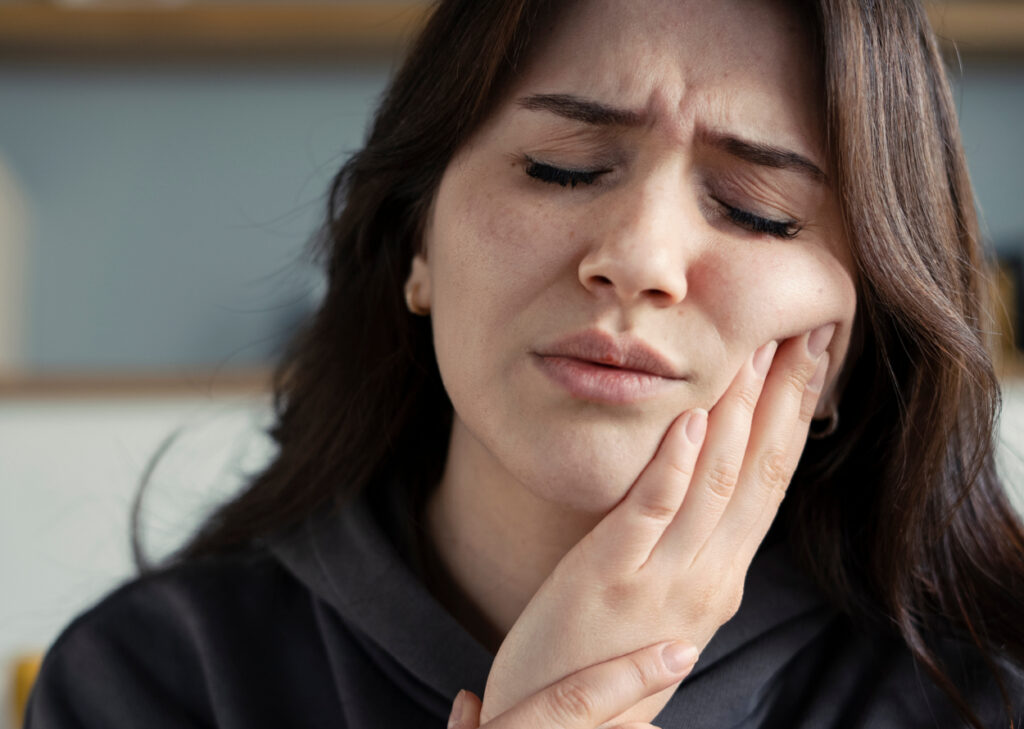
A well-made crown should disappear into daily life. You chew without thinking about it, drink something cold without bracing yourself, and smile without wondering whether anyone can tell which tooth was restored. That is usually the goal. Dental crowns are designed to protect damaged teeth, restore function, and hold up for years. But even a good crown can develop trouble slowly, and the earliest signs are often subtle enough to dismiss.
Most patients do not wake up one morning with a dramatic crown failure. More often, they notice a faint twinge when biting into toast, a bit of food trapping around one side, or a rough edge they keep finding with their tongue. Those details matter. Catching problems early can mean the difference between a simple adjustment and a root canal, or between re-cementing a loose crown and needing the tooth rebuilt from the foundation up.
The challenge is that crowns can fail in more than one way. Sometimes the issue is with the crown itself. Sometimes the real problem is the tooth underneath, the gum tissue around it, or the way the crown meets the opposing tooth. Knowing what to watch for helps you act before irritation becomes damage.
What a healthy crown usually feels like
A healthy crown should feel stable, smooth, and boring. That may sound unremarkable, but boring is exactly what you want from a restoration. It should not rock or shift. It should not feel bulky against your cheek or catch floss every time. It should let you bite down evenly without a jolt or a tap that feels higher than the surrounding teeth.
There can be a short adjustment period after placement. Some mild gum tenderness is common for a few days. The tooth may feel slightly different simply because the shape has changed from whatever was there before. If the crown was placed over a tooth that already had deep decay, a large filling, or recent root canal treatment, the area may need a little time to settle. That said, a crown should move toward comfort, not away from it. Symptoms that linger, worsen, or appear suddenly months later deserve attention.
One detail many people miss is the timing of symptoms. Pain during chewing points toward a different set of issues than a crown that aches on its own late at night. Sensitivity to cold means something different from tenderness in the gum or bleeding when flossing. The pattern is often more useful than the pain score.
The earliest warning signs patients overlook
The first signs of crown trouble are often easy to rationalize away. Patients commonly assume they bit down wrong, irritated the gum with floss, or ate something unusually hard. Sometimes that is true. When the same complaint repeats, it stops being random.
A crown that feels just a little high can create a surprising amount of strain. I have seen patients come in with jaw soreness, headaches near the temple, and tenderness in a crowned tooth that had been off by less than a millimeter. They did not describe sharp pain. They said, "It just doesn't feel right." That phrase is worth respecting. Your bite is sensitive, and even minor imbalance can trigger inflammation in the ligament that cushions the tooth.
Food trapping is another early clue. If fibers from chicken, salad, or popcorn husk are getting stuck around the crown when they did not before, the contact between teeth may be loosening or the crown margin may no longer fit as closely as it should. That does not always mean the crown is failing outright, but it raises the risk of decay forming where you cannot see it.
A new taste can matter too. A metallic taste or a bad taste around one crowned tooth may signal cement washout, bacterial buildup under a loose edge, or gum inflammation collecting debris. It is not the most common symptom, but when patients mention it, I pay attention.
Pain when biting is not all the same
Biting pain deserves a closer look because it can come from several very different problems. A crown that hurts only when you bite down, especially on firm food, can be high in the bite or may be transmitting force to a cracked tooth beneath it. If the pain appears right as you release pressure rather than while biting down, that sometimes raises suspicion for a crack. Not every crack shows up clearly on an X-ray, which is one reason prompt evaluation matters.
There is also the possibility of cement failure. If the crown has started to loosen microscopically, you may not feel obvious movement with your fingers, but the tooth can still hurt under load. Patients often say the discomfort is brief and specific, like a tiny electric reminder every time that tooth does its share of chewing.
If the pain is diffuse, throbbing, or keeps you awake, the problem may involve the nerve inside the tooth or infection around the root. A crown does not make a tooth invincible. If the original tooth had extensive decay, deep trauma, or prior large restorations, the pulp can become inflamed months or even years later.
Sensitivity to cold, heat, and sweets
Many people assume that once a crown is placed, sensitivity should disappear forever. That is not always realistic. The tooth under a crown is still living unless it has had a root canal. Temperature sensitivity can happen if the margin is leaking, the tooth nerve is irritated, or the gum has receded and exposed root surface nearby.
Cold sensitivity that is brief and fading may not be urgent, especially soon after a new crown is cemented. Cold sensitivity that is intense, lingers for more than a few seconds, or begins long after the crown seemed settled is more concerning. It can point to recurrent decay under the crown margin or inflammation inside the tooth.
Heat sensitivity tends to worry dentists more than cold sensitivity, particularly if the discomfort lingers. Many teeth with pulpal inflammation describe heat as a trigger. Sweet sensitivity can show up when decay is starting around the edge or when a margin has opened enough to let fluids and sugars seep in.
Timing helps here. A tooth that reacts after ice water but calms quickly may need monitoring or a bite adjustment. A tooth that stings with room-temperature drinks after being symptom-free for a year deserves a proper exam.
The crown feels loose, but sometimes only a little
Not every loose crown wobbles dramatically. Some patients only notice a faint click when they floss or chew gum. Others describe a sensation that the tooth is "breathing" or flexing, though what they are really feeling is the crown shifting over the tooth structure.
A loosened crown creates more than inconvenience. Once the seal is compromised, saliva and bacteria can get underneath. That environment is ideal for decay, especially if the original tooth structure is already limited. The longer a loose crown stays in place, the more likely the underlying tooth becomes softened or fractured.
If the crown actually comes off, save it and call your dentist promptly. Do not try to glue it back with household adhesive. Temporary dental cement from a pharmacy may help in a pinch if your dentist specifically advises it, but even then, the goal is short-term protection, not a home repair. A crown often comes off for a reason, and that reason needs to be identified before it is simply re-cemented.
Changes at the gumline often tell the story first
Some crown problems show up in the gum before they show up in the tooth. Redness, puffiness, tenderness, or bleeding around one crowned tooth can mean the margin is rough, overcontoured, open, or harboring plaque. It can also mean the crown sits too far under the gum or has a shape that makes cleaning difficult.
Patients sometimes say, "That one spot always bleeds, but the rest of my mouth is fine." When inflammation is localized to one crowned tooth, the restoration has to be considered. Gum tissue is remarkably honest. If a crown is well-shaped and cleansable, the gum usually settles. If it stays irritated despite decent brushing and flossing, something may be mechanically wrong.
A dark line at the gumline can have more than one meaning. In an older porcelain-fused-to-metal crown, a shadow near the edge might be a cosmetic issue rather than a health crisis. But if the line is paired with tenderness, odor, or recession, it can signal margin exposure or tissue changes that deserve attention.
When appearance changes, function may be changing too
Crowns do not fail only through pain. Sometimes the first sign is visual. You may notice a chip in porcelain, a dull or darkened edge, or a shape that no longer seems to match the neighboring teeth. A chipped crown is not always an emergency if the underlying structure is protected and the area is not sharp, but chips change how force travels through the restoration. A small defect can grow under chewing pressure, especially for anyone who clenches or grinds.
Color change matters as well. If the gum near a crowned tooth darkens or the tooth looks gray underneath, the issue might be the material, the tooth beneath, or the health of the root. Crowns made from different materials age differently. Zirconia, porcelain-fused-to-metal, and all-ceramic crowns each have their own wear patterns and esthetic quirks. The key point https://cristianukvj257.novacrestiq.com/posts/a-beginner-s-guide-to-dental-crowns is not to self-diagnose from color alone. It is to notice change early.
Sometimes the first cosmetic complaint is actually a structural clue. A patient comes in saying, "My crown looks shorter than before." What they are often seeing is gum recession exposing more of the crown or root, or wear on the opposing teeth altering the bite. That can change force patterns enough to threaten the crown later.
Recurrent decay is one of the biggest hidden risks
People are often surprised to hear that teeth under crowns can still get cavities. The crown itself does not decay, but the natural tooth at the edge of the crown can. This tends to happen at the margin, the seam where crown and tooth meet. If that seam leaks, traps plaque, or becomes hard to clean, bacteria can work their way under the edge.
This is one reason regular exams and X-rays still matter even when a crown feels fine. Early recurrent decay under a crown often causes no symptoms. By the time pain appears, the decay may already be extensive. In some cases, the crown can be removed, the decay cleaned out, and a new crown made. In others, there is not enough healthy tooth left to support another restoration.
Patients at higher risk include those with dry mouth, a history of frequent cavities, heavy plaque buildup, exposed root surfaces, or diets high in frequent sugars and acidic drinks. Nighttime sipping habits are particularly rough on crown margins because saliva flow drops while you sleep.
A quick self-check at home
You do not need dental tools to notice meaningful warning signs. What you need is consistency. Most people know their mouths better than they think.
Use this short self-check if a crowned tooth seems different:
- Bite gently on both sides and notice whether one tooth contacts earlier or feels tender.
- Floss around the crown and pay attention to shredding, snagging, bleeding, or a new gap.
- Drink something cool and note whether the sensation is brief, sharp, lingering, or absent.
- Run your tongue around the crown margin to check for roughness, chips, or an edge that feels raised.
- Look at the gum around the tooth in a mirror for redness, swelling, or a shadow that was not there before.
This is not a substitute for an exam, but it helps you describe the problem clearly. That makes appointments more efficient and improves the chances of finding the cause quickly.
Problems that are urgent, and problems that can wait a day or two
Not every crown issue needs same-day care, but some do. Severe swelling, spontaneous throbbing pain, fever, or a crown that comes off and leaves a sharp or exposed tooth should move to the front of the line. So should sudden inability to bite, trauma, or signs of infection such as a pimple-like bump on the gum.
Other situations can usually wait a short time if you are careful, though they still deserve prompt scheduling. Mild sensitivity, intermittent biting discomfort, or a tiny chip with no pain may be manageable for a day or two while you avoid chewing on that side and keep the area clean.
Call promptly if you notice any of these:
- the crown moves, clicks, or comes off
- pain lingers with heat or wakes you at night
- the gum around one crown stays swollen or bleeds repeatedly
- there is a crack, sharp edge, or chip that changes your bite
- food suddenly packs around the crown every day
Those patterns tend not to improve on their own. Waiting usually narrows your options rather than broadening them.
Why crowns fail even when the original work was good
It is tempting to assume that any crown problem means the crown was poorly done. Sometimes that is true. Often it is not. Teeth change over time. Gums recede. Bite forces shift. People clench during stressful periods, often without realizing it. A crown placed beautifully eight years ago may fail today because the tooth underneath has aged, the cement has worn, or the patient has developed grinding that was not present when the crown was made.
Material matters too. Porcelain can chip. Cement can wash out. The tooth core can fracture. A root can crack below the crown margin where no one can see it from the outside. If the tooth had very little remaining healthy structure when the crown was placed, the long-term prognosis was always going to be more delicate than for a tooth with stronger walls.
That is why context matters. The same symptom in two different patients can mean different things. A little cold sensitivity in a recently crowned tooth may be routine settling. The same sensitivity in a ten-year-old crown on a patient with dry mouth and recurrent decay is a different conversation.
What your dentist is trying to determine during an exam
When a patient says, "My crown hurts," the real question is which part is failing. Your dentist is usually sorting through four possibilities. Is the crown margin leaking or open? Is the bite off? Is the tooth nerve inflamed or dead? Or is the supporting structure, meaning gum, bone, or root, compromised?
That is why the appointment may include bite paper, floss checks, percussion testing, temperature testing, and X-rays. Sometimes a crown looks intact but reveals a hidden cavity at the edge on radiograph. Sometimes the X-ray looks ordinary but the tooth hurts when pressure is released, which may point toward a crack. Sometimes the crown is fine and the true culprit is clenching, especially if several teeth feel tender at once.
Patients occasionally feel frustrated when the answer is not obvious in five minutes. Crown problems can be deceptively layered. A slightly high bite can inflame the ligament, and the patient may respond by chewing differently, which then irritates the gum around the crown as well. Good diagnosis takes a little patience.
Habits that extend the life of dental crowns
Crowns do best when they are treated like part of a system rather than a standalone fix. Daily cleaning matters because plaque does not care whether a tooth is natural or restored. It settles along margins all the same. So does bite management. A perfectly fitted crown can still chip or loosen under heavy grinding forces.
People often focus on avoiding hard foods, which is sensible, but the bigger issue in many adults is repeated force over time. Chewing ice, opening packages with teeth, biting fingernails, and untreated nighttime clenching wear crowns down faster than most patients realize. A night guard is not glamorous, but it can save thousands of dollars in repeat dentistry for the right patient.
Professional maintenance matters too. Crowns should be checked routinely, even if they feel fine. A dentist or hygienist may spot an open margin, early gum inflammation, or wear pattern long before you would notice anything at home.
Early action usually preserves more options
The reason to catch crown problems early is not just to avoid discomfort. It is to preserve choices. A crown with a minor bite issue may need only a quick adjustment. A crown with early cement failure may be re-cemented if the tooth is still sound and the fit remains acceptable. A small chip might be polished or repaired depending on location and material.
Once bacteria get under the margin and sit there long enough, the conversation changes. Now you may be looking at replacement, buildup, root canal treatment, crown lengthening, or extraction if the tooth structure has been lost too far below the gumline. The difference between these scenarios is often timing, not luck.
If a crowned tooth starts acting different, trust the change. Teeth rarely send dramatic warnings at first. They whisper. A little tenderness, a bit of bleeding at one spot, food packing where it never used to, a cool drink that suddenly feels sharp, these are the early signs worth hearing. Dental crowns can last a long time, but they reward attention. The sooner a small problem is identified, the better the odds that both the crown and the tooth beneath it can be kept healthy for years.
Oxnard Dentistry
Address: 1730 E Gonzales Rd, Oxnard, CA 93036
Phone number: +18056049999
FAQ About Dental Crowns Oxnard CA
How long do crowns last on teeth?
Dental crowns typically last 10 to 15 years, but can last 20 to 30 years with excellent oral hygiene. Lifespan depends heavily on the crown material, your daily brushing and flossing habits, and whether you clench or grind your teeth.
What is the downside of crowns on teeth?
The primary downside of dental crowns is that the preparation process is irreversible. To properly fit a crown, a dentist must permanently shave down a significant portion of your natural tooth enamel. This exposes the tooth to potential risks like nerve inflammation, increased sensitivity, and structural weakening.
Why do dentists push for crowns?
Dentists often recommend crowns to save a structurally compromised tooth. If a tooth is heavily cracked, worn down, or has a cavity too large for a filling, a filling will not provide enough structural support, causing the tooth to eventually split. Crowns act like protective helmets, preventing tooth loss.